Chicago in winter without a car: CTA routes, walkable attractions and easy itineraries
You don't need a rental car to see Chicago in winter, and for a downtown trip you're usually better off without one. The Blue Line runs from O'Hare around the clock, the Orange Line reaches Midway in about 20 minutes, and buses drop you at Museum Campus, Navy Pier and the door of the Griffin Museum of Science and Industry. Plan each half-day around one neighborhood, take the bus where the map shows a long, exposed walk, and keep a warm indoor stop behind every outdoor plan.
At a glance
This post contains affiliate links. If you book through them, we may earn a commission at no extra cost to you. No operator pays to be included.
Getting around Chicago in winter without a car, in short
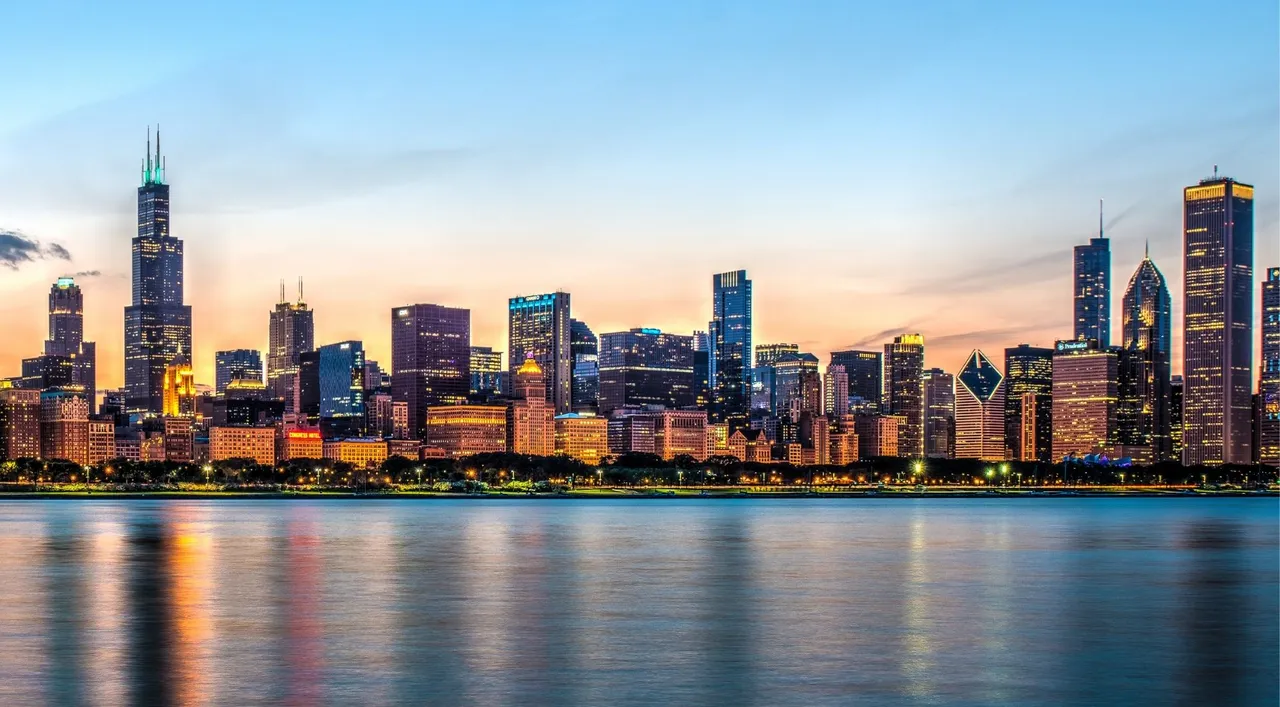
On a bright, cold afternoon Chicago looks wonderful: the river between the steel-and-stone towers, pale light over Lake Michigan, a museum waiting at the end of the ride. When the wind picks up, though, the 20-minute lakefront walk that sounded lovely over breakfast stops being fun. So plan the day around short outdoor stretches with a purpose, and let the trains and buses cover the exposed ground. For a first cold-weather stop in the Loop, our pick is the Art Institute of Chicago fast pass: it's a short walk from the Adams/Wabash 'L' station, and the GetYourGuide listing is rated 4.8/5 from more than 1,000 reviews, from US$40. Check live dates below.
Before you go: fares, routes and hours on this page were checked on the CTA's, Navy Pier's and the science museum's own sites on November 23, 2026. The GetYourGuide price is in US dollars, checked in November 2026, and the live price is on the booking page. Routes, construction and winter service can change, so the CTA's service alerts and trip planner have the final word for your date.
Chicago without a car: the essentials
| Question | Practical answer |
|---|---|
| Do I need a car in downtown Chicago? | No. CTA trains and buses plus short walks work well for most first-time itineraries. |
| Is the CTA safe to use in winter? | The system runs all winter, but delays and disruptions happen; take normal big-city precautions and check the alerts. |
| Best area to stay? | The Loop for the Art Institute and Skydeck; River North for restaurants and wide transit access; Streeterville for Navy Pier and 360 CHICAGO. |
| O'Hare to downtown? | Blue Line, normally 40–45 minutes, running 24 hours. |
| Midway to downtown? | Orange Line, usually 20–25 minutes, but not overnight. |
| Typical CTA fares? | Train $2.50; bus $2.25; 1-day unlimited pass $5. |
| Best winter transit tactic? | Take a bus instead of a long walk from the station, especially to Museum Campus and Navy Pier. |
| Biggest mistake? | Assuming the closest rail station means a short, sheltered walk to the attraction. |
Fares and travel times from transitchicago.com, checked November 23, 2026.
Keep exploring
Other experiences you might enjoy
Most of Chicago's warm winter sights sit a short ride from a CTA stop: the Field Museum on the Museum Campus, Skydeck Chicago in Willis Tower, the Griffin Museum of Science and Industry in Hyde Park, and the Chicago Underground Pedway tour, a mostly indoor walking tour of the Loop. The options below suit a car-free winter trip to Chicago.
How to get from Chicago's airports without a car
O'Hare: take the Blue Line
The Blue Line is usually the simplest way from O'Hare International Airport (ORD) to downtown. From Terminals 1–3, follow the airport signs to the CTA station. If you land at Terminal 5, take the free Airport Transit System to Terminal 2 and follow the "CTA Trains" signs from there. The CTA gives a normal travel time to downtown of 40–45 minutes; allow extra time for the walk to your hotel and for any disruption.
The fare when you board at O'Hare is $5. The premium doesn't apply when you ride toward O'Hare from downtown, and a valid unlimited CTA pass covers boarding at O'Hare with no surcharge. Blue Line trains run 24 hours a day, seven days a week, although they come less often late at night.
Pick your stop by your hotel: Clark/Lake, Washington and Jackson are useful downtown Blue Line stops, but choose by your actual address. A hotel in Streeterville can still mean another bus or a long walk from the Blue Line. See the CTA's airport page for route and terminal advice.
Midway: take the Orange Line
The Orange Line links Midway International Airport (MDW) with the Loop in a normal 20–25 minutes, and an enclosed walkway connects the station to the terminal. The ordinary train fare is $2.50, with no airport surcharge.
Unlike the Blue Line, the Orange Line doesn't run all night. Trains from Midway toward the Loop run from about 3:30 am on weekdays, 4 am on Saturdays and 4:30 am on Sundays and holidays, until about 1:05 am. For a very early or very late flight, check the Orange Line timetable first; you may need an overnight bus or a taxi.
Is a taxi worth it in winter?
Sometimes, but winter doesn't automatically make it the better choice. A taxi or rideshare starts to make sense with a large family, several suitcases, limited mobility or a hotel awkwardly placed for the trains. Airport road journeys vary sharply with traffic and weather, while the trains skip most of the congestion, so compare the whole door-to-door trip, not only the time on the train.
For a couple traveling light to a central hotel, we'd start with the train and keep the taxi money for one especially cold or tiring evening.
CTA fares and passes: what should you buy?
These are the Chicago Transit Authority's published fares at our November 2026 check. The fare chart has been in force since February 2023 and lists no change for 2026–27.
| Ticket or ride | Published price | When it makes sense |
|---|---|---|
| 'L' train ride | $2.50 | Occasional journeys |
| CTA bus ride, paid electronically | $2.25 | Short hops, often better than a long winter walk |
| Bus fare paid in cash | $2.50 | Backup only; no free transfer |
| Transfer | Free | Up to two more rides within two hours, on the same card or device |
| Blue Line boarding at O'Hare | $5 | One airport departure without an unlimited pass |
| 1-day CTA/Pace pass | $5 | Several rides within 24 hours |
| 3-day CTA/Pace pass | $15 | Three busy sightseeing days |
| 7-day CTA/Pace pass | $20 | Four or more days with plenty of transit |
Fares from the official CTA fare page, checked November 23, 2026.
Which is cheaper? Two single train rides cost $5, the same as a 24-hour pass. Three bus rides cost $6.75, so the pass wins, as long as those rides aren't already free transfers. A day pass also gives you room to change plans in the cold: you can jump on a bus for a few blocks without paying again.
A pass starts on first use, and a 1-day pass lasts a full 24 hours, so it doesn't run out at midnight; the 3-day and 7-day passes also count elapsed time. They cover CTA and Pace, not Metra commuter trains. If your plans really need both systems, the CTA sells a separate $30 Regional Connect Pass.
Paying: the CTA accepts Ventra cards, contactless bankcards and mobile wallets, and the Ventra app helps you manage fares and check arrival times. Tap the same card or phone each time so your transfers count.
Important: these are transit passes. Chicago CityPASS, Chicago C3 and the Go City passes don't include ordinary CTA bus or train rides.
The best winter-friendly attraction clusters
Our strongest planning advice is to group Chicago by area, not by a ranked list of sights. These five clusters keep you inside the places you came for and spare you the waits at exposed street corners.
1. The Loop: art, architecture and a classic skyline view
Best for: first visits, one-day trips and especially cold afternoons.
- Art Institute of Chicago: allow 2–3 hours for a focused visit, much longer if you love art.
- Chicago Cultural Center: free to enter, with a spectacular stained-glass dome and changing exhibitions.
- Millennium Park and Cloud Gate: Chicago's best-known outdoor photo, best in a short, calm-weather window.
- Skydeck Chicago: the paid observation deck in Willis Tower, rated 4.5/5 from more than 5,000 reviews on GetYourGuide, and best on a clear day.
CTA access: Adams/Wabash, Washington/Wabash, Jackson, Monroe and Washington all work, depending on which sight you're heading for, and several downtown bus routes stop near the Art Institute. The State/Lake 'L' station closed in January 2026 for a rebuild that the CTA expects to take about three years, and elevated trains pass it without stopping. Use Washington/Wabash, which the CTA suggests, or Clark/Lake instead; the Lake Red Line subway stop stays open.
Winter approach: do a museum first, step out to Millennium Park if the weather allows, then head back indoors. Skydeck is farther west than the Art Institute, so take a train or bus if the sidewalks are icy or the wind is fierce. Our Skydeck vs 360 CHICAGO in winter guide covers sunset times and cloudy days.
2. Museum Campus: dinosaurs, sharks and outer space
Best for: families and anyone who likes big museums.
- Field Museum: dinosaurs, natural history and wide-ranging collections; rated 4.7/5 from more than 880 reviews on GetYourGuide.
- Shedd Aquarium: aquatic habitats and animal exhibits. GetYourGuide sells no standalone Shedd ticket; it's included in Chicago CityPASS and the Go City All-Inclusive Pass.
- Adler Planetarium: space exhibitions and planetarium shows, with big skyline views outside.
CTA access: the most practical route is usually the #146 bus to Museum Campus, which you can also catch at Roosevelt station on the Red, Green and Orange lines. The CTA runs the #130 Museum Campus bus only from mid-May to Labor Day, so don't build a winter plan around it. See the CTA's museum routes.
Biggest winter trap: the three look close together on a map, but parts of the campus take the full lake wind, and the Adler sits farthest out toward the water. Two museums in a day is very doable; three full visits will tire you and rush each one.
Recommended order: Shedd or the Field in the morning, then lunch, then the other museum in the afternoon. Add the Adler only if you still have the time and energy, or save it for another trip.
3. Streeterville and Navy Pier: easy indoor variety
Best for: families, winter afternoons and anyone staying along the Magnificent Mile.
- 360 CHICAGO: an enclosed observation deck over Lake Michigan, with the TILT experience at extra cost; rated 4.4/5 from more than 3,900 reviews on GetYourGuide.
- Navy Pier: indoor food, attractions and shows, plus the enclosed gondolas of the Centennial Wheel. Our Navy Pier boat tours page covers what sails from the pier.
- Chicago Children's Museum: a play-focused indoor option on the pier, especially good with younger children. GetYourGuide sells a Children's Museum entry ticket rated 4.6/5, but from fewer than 20 reviews so far, so read the recent ones first.
CTA access: Navy Pier lists the #29 State, #65 Grand, #66 Chicago and #124 Navy Pier buses daily, plus the #2 Hyde Park Express at weekday rush hours only. The #124 links the pier with the Metra stations at Millennium, Ogilvie and Union. There's no 'L' station at Navy Pier, and the walk from downtown is more exposed than it looks. See Navy Pier's public transit page.
Winter approach: pair 360 CHICAGO with a meal nearby, then take a bus to the pier if it's too cold for the long walk. Check Navy Pier's event and opening schedules, because individual attractions keep their own hours.
4. Hyde Park: science on a proper half-day outing
Best for: science fans, older children and repeat visitors.
The Griffin Museum of Science and Industry is a great winter choice because you can spend several warm hours inside one huge museum; its GetYourGuide ticket is rated 4.6/5 from more than 350 reviews. It's well south of the Loop, though, so give it a half-day of its own.
- #10 Obama Presidential Center/Museum of Science & Industry Express: runs daily and stops at the museum entrance. The last buses back north leave the museum at about 6 pm.
- #6 Jackson Park Express: stops at 56th Street and Hyde Park Boulevard, one block north of the museum.
- #2 Hyde Park Express: weekday rush hours only, stopping a block west of the museum.
- Metra Electric: the 55th-56th-57th Street station is about two blocks from the museum's north entrance; Metra tickets are separate from ordinary CTA passes.
The #10 runs a shorter day than the #6, so check your return trip before a late-afternoon visit. And don't plan Griffin MSI as one more stop along Michigan Avenue. See the museum's directions page and the CTA #10 route page.
5. Lincoln Park: a free zoo and a warm conservatory
Best for: a lighter sightseeing day.
Lincoln Park Zoo is free during ordinary daytime hours, and the Lincoln Park Conservatory is a warm, green break on a chilly day; book its free timed-entry ticket ahead. CTA buses and trains get you there, but the sights aren't at an 'L' station entrance, so allow for a walk through the park and don't count on a pleasant lakefront stroll in strong wind or ice.
ZooLights in the evening is a separate, seasonal ticketed event, not part of ordinary free zoo visiting. Our Chicago winter on a budget guide has its dates, prices and free nights.
Two days in Chicago without a car: a realistic winter itinerary
This plan assumes a downtown hotel, normal museum hours and no severe weather alerts. Swap the days around your reservations and the forecast.
Day 1: downtown classics with short outdoor bursts
| Approximate time | What to do | Transport and planning notes |
|---|---|---|
| 9:30 am | Breakfast near your hotel | No need to rush across town in the cold |
| 10:30 am–1 pm | Art Institute | Train or bus to a nearby downtown stop |
| 1–2 pm | Lunch | Stay in the Loop |
| 2–2:45 pm | Chicago Cultural Center | Free and warm |
| 2:45–3:15 pm | Millennium Park | Keep it short if it's windy; skip it if it's dangerously icy |
| Late afternoon | Skydeck or 360 CHICAGO | Choose by sunset, visibility and location; book if required |
| Evening | Dinner in the Loop or River North | CTA, or a taxi back if the weather turns |
Why it works: you get art, Chicago architecture, the city's best-known outdoor photo and a skyline view without crossing the city back and forth. If thick cloud hides the skyline, swap the deck for a show, more time in the museum or a dinner reservation.
Day 2: Museum Campus and Navy Pier, at your own pace
- Option A, for museum lovers: take the #146 bus or a CTA connection to Museum Campus, spend 2–3 hours at the Field Museum or Shedd, have lunch, and visit the second museum if everyone's still keen. Finish with dinner downtown. It's the calmer winter day and gets the most from your admissions.
- Option B, for families with younger children: a focused morning at the Field or Shedd, then a CTA bus or a taxi to Navy Pier for the Chicago Children's Museum or another indoor attraction. It means a cross-town ride, but it gives children a change of pace.
- Option C, for science fans: make the Griffin Museum of Science and Industry the main event of the day. Take the #10 or #6 bus and spend several hours there, without squeezing it between three other big attractions.
For a longer plan with a budget, see our 3-day Chicago winter itinerary.
One-day and three-day adjustments
Only one day? Pick either the Art Institute, Millennium Park and an observation deck, or Shedd and the Field Museum. One area, done well, beats chasing every icon on the tourist map.
Three days? Keep the downtown and Museum Campus days, then add Hyde Park or Streeterville and Navy Pier. That makes a more coherent trip than stacking four or five paid admissions into one afternoon.
Visiting around Christmas or New Year's? Check the holiday schedules for the CTA and for the attractions: the buses may run a holiday service while the museum at the end of the line is closed. Holiday displays also have their own start and end dates, and some finish before January. Our Christmas and New Year's opening guide and Chicago in December have the dates.
What to do if it's snowing, raining or extremely cold
Winter weather doesn't shut Chicago down, but your plan needs room to bend.
- Cold but clear: keep one short outdoor highlight, such as Cloud Gate, the river or a lake view, and wrap it in indoor visits. Book an observation-deck time when the forecast promises good visibility.
- Snowy: allow extra travel time, check CTA service status and avoid tight timed reservations in different neighborhoods. Snow makes downtown beautiful, but it also slows the buses and makes walking harder.
- Freezing rain or severe wind chill: drop any walk you don't need and skip exposed lakefront photos. Make it a museum or theater day, take a taxi for an awkward last leg if you need to, and follow the official weather advisories.
- Cloudy skyline: don't buy a tower ticket just because it's on your schedule. Check each operator's current rebooking and refund terms, because poor visibility doesn't necessarily earn you a refund.
The Pedway: helpful, but not a magic underground city
Chicago's downtown Pedway links some buildings and stations through indoor passages, but it isn't a continuous, always-open route between the major attractions. Access depends on the building, the day and the entrance, and some sections close outside business hours. Use it now and then to stay warm, but don't build your plans on it. If you'd like to see it with someone who knows the way, the Chicago Underground Pedway tour is a guided walk through it, rated 4.7/5 from more than 330 reviews on GetYourGuide.
Should you get a sightseeing pass if you're using the CTA?
A CTA transit pass and a Chicago attraction pass solve completely different problems. The $5 CTA day pass pays for getting around. Chicago CityPASS ($144 per adult for five attractions), Chicago C3 ($109 for three) and Go City passes such as the Go City Explorer Pass cover eligible admissions and sometimes higher-tier experiences.
For a winter visit, this rule of thumb helps:
- Three moderately priced museums: add up the single admissions first; an attraction pass may cost more.
- Shedd, Skydeck and another major attraction: a three-attraction bundle such as C3 can compete, depending on the prices and the exact admissions included.
- Five big paid attractions: the five-attraction CityPASS may save money, but only if you really want all five and have time to enjoy them.
- Mostly free stops: the CTA pass may be the only pass you need.
A sightseeing pass won't make getting around any easier, so don't buy one for that. Price the tickets separately, and check reservation rules, upgrades, child admission and seasonal opening before you buy.
For the detail, see our pass-by-pass comparison, which covers Go City and C3 too; our Chicago city passes in winter guide, on museum passes against single tickets and reservation rules; how much a Chicago pass costs, for every tier and child price; Chicago in winter with kids; and Chicago winter on a budget.
Traveling with children, a stroller or mobility needs
The CTA says all of its buses and railcars are accessible, but only 110 of its 146 rail stations are, and elevators do go out of service without warning. Check your exact stations and the live elevator status before you leave, especially with a wheelchair, a stroller, heavy luggage or anyone who can't manage stairs. See the CTA's accessibility page and live elevator alerts.
With small children, keep each day to one major museum and one simpler stop. Allow for coat checks, bathroom breaks, food and the slower pace that winter clothes bring. If your child gets cold quickly, a short bus ride can be the better choice even when walking looks easy. The CTA's child fares and our two-day indoor plan are in Chicago in winter with kids.
Where to stay when you won't have a car
| Area | Strength | Trade-off |
|---|---|---|
| Loop | Central for the Art Institute, Millennium Park, Skydeck and several rail lines | Some streets are quiet late at night; the exact hotel location matters |
| River North | Plenty of restaurants and easy access to most of downtown | Usually a short transit ride to Museum Campus |
| Streeterville / Magnificent Mile | Handy for 360 CHICAGO, shopping and Navy Pier | Farther from some rail stations; buses are especially useful |
| South Loop | Close to Museum Campus and Roosevelt station | Check walking distances to your museums and evening plans |
| Hyde Park | Excellent for Griffin MSI and the neighborhood itself | More travel time if most of your sights are downtown |
Our default: for a first winter weekend, pick the Loop or River North within an easy walk of a transit stop. Paying a little more for a very convenient hotel can work out cheaper than a string of late-night rides.
Mistakes that make car-free winter trips harder
- Planning from straight-line distances. A ten-minute walk with wind, slush and traffic lights is not a summer stroll.
- Thinking Museum Campus is at Roosevelt station. You'll usually still want the #146 bus or a deliberate walk.
- Assuming Navy Pier is beside the 'L'. From most places it's easier by bus.
- Relying on State/Lake station. The elevated station is closed for reconstruction through winter 2026–27; use Washington/Wabash or Clark/Lake.
- Treating Metra and CTA fares as interchangeable. Their tickets differ, even when a Metra station or route is convenient.
- Ignoring holiday bus schedules and attraction closures. A running bus route doesn't mean the museum at the end of it is open.
- Buying every ticket before checking weather-dependent plans. Visibility and conditions can spoil an observation deck or a cruise; our winter architecture cruise guide says which boats still sail.
- Booking attractions too close together. Leave time for coats, station entrances, ticket checks and the odd delay.
Chicago in winter without a car: FAQ
Can you visit Chicago in winter without renting a car?
Yes. For a downtown-based trip, CTA trains and buses, short walks and the odd taxi are usually all you need. The CTA links both airports with downtown, and buses serve Museum Campus, Navy Pier and the Griffin Museum of Science and Industry.
Is Chicago walkable in December, January and February?
Downtown is fairly compact, but wind, snow and ice can make long walks unpleasant. Keep the outdoor stretches short and take a CTA bus for exposed or awkward connections.
How much is a CTA day pass in winter 2026–27?
The CTA publishes $5 for a 1-day CTA/Pace pass, which lasts 24 hours from first use. The 3-day pass costs $15 and the 7-day pass $20. Check the fare page before you buy in case the fares change.
Does CTA run from O'Hare in winter?
Yes. The Blue Line runs 24 hours a day, seven days a week, and the CTA gives a normal travel time of 40–45 minutes between O'Hare and downtown. Snow or planned work can still slow an individual trip.
Is the Orange Line from Midway available at night?
Not all night. Trains toward the Loop run from about 3:30 am on weekdays (4 am on Saturdays, 4:30 am on Sundays and holidays) until about 1:05 am. Check the schedule for a very late or very early flight.
Does a CityPASS or Go City pass cover buses and trains?
No. Attraction passes cover sightseeing admissions, not ordinary CTA fares. Buy your CTA travel separately.
What's the easiest way to reach Shedd Aquarium and Field Museum?
Take the #146 bus to Museum Campus, or ride the Red, Green or Orange Line to Roosevelt and continue by bus, or on foot if the weather allows. Check current stops and alerts for your exact route.
How do I reach Navy Pier without a car?
Take a CTA bus: Navy Pier lists the #29 State, #65 Grand, #66 Chicago and #124 Navy Pier routes daily, plus the #2 Hyde Park Express at weekday rush hours. There is no 'L' station at the pier.
Can I get to the Museum of Science and Industry by CTA?
Yes. The #10 express bus runs daily and stops at the museum entrance, and the #6 Jackson Park Express stops a block north. The #10's last buses leave the museum around 6 pm, so check the time of your return trip.
Is the Chicago Pedway open 24 hours?
No. Different sections have different access rules and hours, and most of the big attractions aren't on it. Don't treat it as a continuous all-weather route.
Do CTA day passes cover Metra trains?
Ordinary CTA/Pace passes don't cover Metra. The CTA sells a separate $30 Regional Connect Pass for riders who need both, so check the exact product before you buy.
Is CTA accessible with a wheelchair or stroller?
All CTA buses and railcars are accessible, but only 110 of the 146 rail stations are, and elevators do go out of service. Check the station and the live elevator alerts before you set off.
Is it better to stay in the Loop or near Navy Pier?
The Loop is the more versatile base for a first trip that mixes several downtown museums and sights. Streeterville is handy for 360 CHICAGO and Navy Pier, but you may need a bus to reach the trains.
Should I use taxis instead of CTA in snow?
Not automatically. Road traffic can get worse in bad weather while the trains keep moving. A taxi makes sense for a short exposed leg, bulky luggage or mobility needs, so compare on the day.
What's the best car-free two-day winter itinerary?
Day one: the Art Institute, the Chicago Cultural Center, Millennium Park and one observation deck. Day two: the Field Museum and Shedd Aquarium, or a half-day at Griffin MSI. Keep evening plans near your hotel if the forecast is harsh.
Do CTA schedules change on Christmas and New Year's Day?
Yes, holiday service can differ from a normal weekday, and CTA route pages say which schedule applies on holidays. Check both the transit and the attraction's holiday notices before you leave.
The bottom line on Chicago in winter without a car
Chicago makes an excellent car-free winter city break when you plan around its geography. The CTA is cheap, the airport trains are easy, and the buses get you closer to several major attractions than the 'L' alone. Base yourself somewhere central, take one neighborhood at a time, and swap a scenic walk for a warm bus ride when the weather turns.
You don't need a rental car for every outing, or an attraction pass for every museum. Spend the money on what you'll remember: an aquarium visit, a beautiful gallery such as the Art Institute, a skyline view on a clear afternoon, or a long dinner after dark.
Official sources and how we checked
Fares, routes, travel times and hours come from the transit agency's and the attractions' own pages, checked November 23, 2026. Timetables are not guarantees, especially in a snowstorm, so check them again before you go:
- CTA fares, for fares, passes, transfers and the O'Hare rule.
- CTA airports, for airport routes, travel times and the 24-hour Blue Line.
- CTA Orange Line, for its hours.
- CTA museum connections, for the #146 and the summer-only #130.
- CTA: State/Lake reconstruction, for the station closure.
- Navy Pier public transportation, for the bus routes to the pier.
- Griffin MSI directions and CTA route 10, for the museum's bus and Metra access.
- CTA accessibility and elevator status, for accessible stations and live outages.
- CTA system alerts, for construction, reroutes and disruptions.
We didn't ride every route for this update. Ratings are GetYourGuide's own figures, checked in November 2026. We earn a commission if you book through the GetYourGuide links on this page. It doesn't change the price you pay, and the CTA advice earns us nothing.